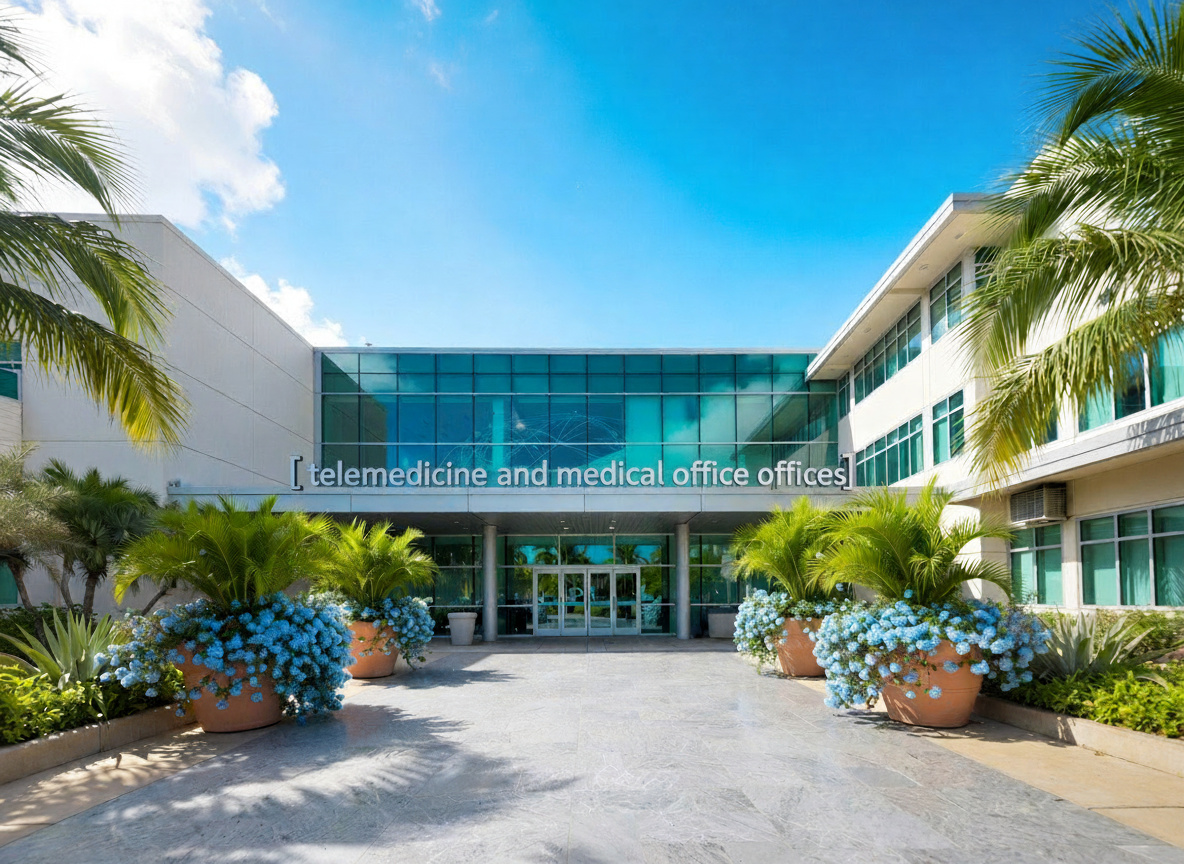
How Telemedicine Is Changing the Demand for Medical Office Spaces
Telemedicine has moved from a niche healthcare service to a core component of modern medical delivery. Accelerated by technology adoption, patient demand for convenience, and systemic shifts following the pandemic, virtual care is reshaping how and where healthcare is delivered. For investors, developers, and healthcare providers alike, this telemedicine medical office space evolution is having a measurable impact on the demand, design, and location of medical office spaces.
Understanding how telemedicine influences medical office buildings (MOBs) is essential for making informed real estate decisions in today’s healthcare-driven market.
The Rise of Telemedicine
Telemedicine allows patients to consult with healthcare providers remotely through video calls, phone visits, and digital monitoring platforms. What began as a solution for rural access and after-hours care is now widely used for primary care check-ins, mental health services, chronic disease management, and follow-up appointments.
As telehealth adoption grows, many routine visits no longer require a physical exam room. This shift has prompted healthcare organizations to rethink how much space they need, how it’s configured, and where it’s located.
Reduced Demand for Traditional Exam Rooms
One of the most direct impacts of telemedicine is a decreased need for large volumes of traditional exam rooms. Follow-up visits, medication reviews, and non-urgent consultations can often be handled virtually, reducing in-office patient traffic.
However, this does not mean medical office spaces are becoming obsolete. Instead, some are evolving into telemedicine medical office spaces. Providers are optimizing square footage, consolidating locations, or downsizing older, inefficient layouts in favor of modern, flexible spaces.
Shift Toward Specialized and Hybrid Medical Spaces
While telemedicine reduces the need for some in-person visits, it cannot replace hands-on care. Procedures, diagnostics, imaging, physical therapy, and specialized treatments still require physical locations.
As a result, demand is shifting toward:
- Specialty-focused medical offices
- Procedure-oriented clinics
- Outpatient centers with advanced equipment
- Hybrid facilities that support both virtual and in-person care
These spaces often prioritize technology infrastructure, private consultation rooms for virtual visits, and efficient patient flow rather than high-volume waiting areas.
Increased Importance of Location and Accessibility
Telemedicine allows providers to reach patients beyond traditional geographic boundaries. Consequently, this flexibility has reduced the need for dense, centralized office clusters in some markets, while increasing interest in smaller, strategically located satellite offices.
Medical office demand is growing in:
- Suburban markets
- Secondary cities
- Mixed-use developments
- Areas near residential communities
Convenience remains critical. Patients may visit the office less frequently, but when they do, easy access, parking, and proximity to home are more important than ever.
Design Changes in Medical Office Buildings
Modern MOBs are being designed with telemedicine in mind. Key design trends include:
- Fewer large waiting rooms
- More private consultation and telehealth rooms
- Enhanced IT and broadband infrastructure
- Soundproofing for virtual visits
- Flexible floor plans that allow future reconfiguration
These updates improve efficiency for providers and create a better experience for patients, whether they are visiting in person or connecting remotely.
Implications for Investors and Owners
From an investment perspective, telemedicine is not a threat to medical office real estate—it is a driver of transformation.
Well-located, modern medical office buildings remain highly desirable due to:
- Long-term healthcare demand
- Aging population trends
- Outpatient care expansion
- Resilience compared to traditional office properties
Investors are increasingly favoring assets that can support evolving care models, attract high-credit healthcare tenants, and adapt to technological advancements.
The Future of Medical Office Demand
Telemedicine will continue to influence healthcare delivery, but it will complement—not replace—physical medical spaces. The future points toward a hybrid healthcare model where digital care and in-person services work together.
Medical office buildings that embrace flexibility, technology readiness, and patient-centered design will remain essential to the healthcare ecosystem and continue to perform strongly in the commercial real estate market.
Final Thoughts
Telemedicine is redefining how medical office space is used, designed, and valued. For healthcare providers, developers, and investors, adapting to these changes is key to staying competitive in an evolving landscape. Those who understand the shift and position their assets accordingly will be best equipped to succeed in the future of healthcare real estate.
Let us help you find the right space, negotiate the best deal, and open your doors with confidence!
Raissa Restivo (561) 676-8814
Alex Martinez (561) 561-2280
info@medofficespaces.com
🌐 www.medofficespaces.com
📍 The Keyes Company | 21065 Powerline Road, Boca Raton, FL 33433

Join The Discussion